

LQ-rrto thiết bị đốt nhiệt độ lưu trữ nhiệt LQ-RRTO
Cat:Thiết bị
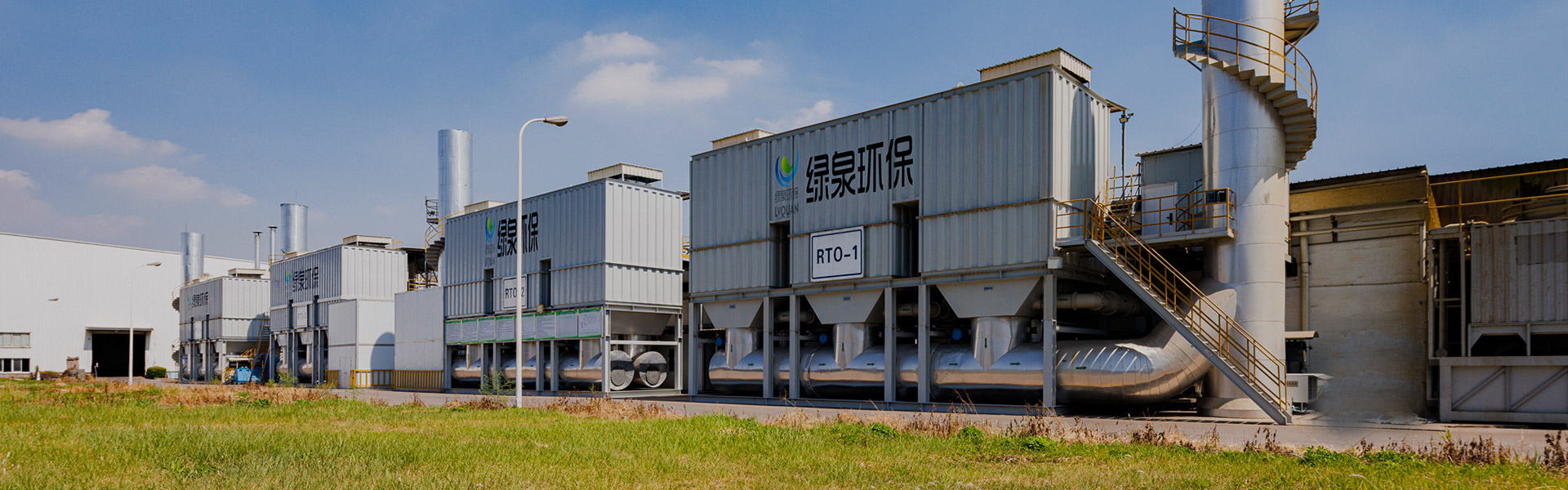
Tổng quan về RTO loại tháp Công ty chúng tôi cung cấp hai loại RTO quay, là RTO quay và RTO đa van không có thùng. RTO quay, còn đượ...
Xem chi tiết
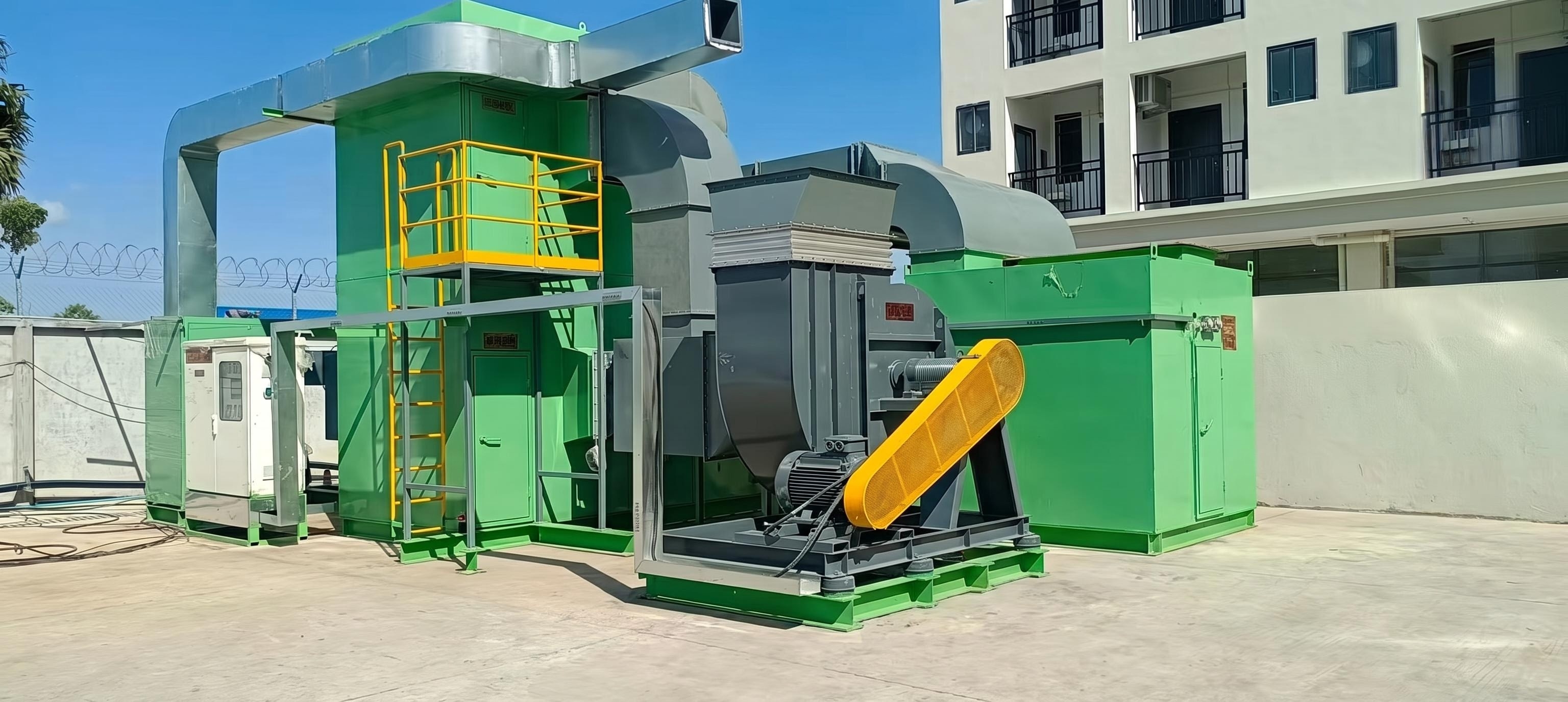
Công ty TNHH Công nghệ Kỹ thuật Bảo vệ Môi trường Lvquan đã hoàn thành lắp đặt tại chỗ hệ thống 60.000 m3/h hấp phụ lớp cố định zeolit cộng với hệ thống đốt xúc tác cho một cơ sở sản xuất ở Campuchia. Hệ thống hiện đang ở giai đoạn tiền vận hành, với hệ thống dây điện, niêm phong ống dẫn và kiểm tra khóa liên động an toàn đang được tiến hành trước lần chạy thử đầu tiên. Cái này Xử lý khí thải VOC Dự án phản ánh nhu cầu ngày càng tăng trên khắp Đông Nam Á về thiết bị lọc khí thải có luồng không khí lớn, đáng tin cậy, có thể thích ứng với các lịch trình sản xuất và nồng độ chất ô nhiễm khác nhau.
Hệ thống được lắp đặt kết hợp hai giai đoạn tinh chế bổ sung trong một diện tích nhỏ gọn duy nhất: bộ phận hấp phụ lớp cố định zeolit giúp cô đặc hơi hữu cơ loãng và buồng đốt xúc tác oxy hóa dòng cô đặc ở nhiệt độ được kiểm soát. Sự kết hợp này là cấu hình phổ biến cho các cơ sở tạo ra một lượng lớn khí thải với nồng độ chất ô nhiễm tương đối thấp, vì nó cho phép hệ thống xử lý xử lý luồng khí cao mà không cần vận hành buồng đốt toàn diện ở thể tích thô, không tập trung.
A hấp phụ giường cố định zeolit thiết bị sử dụng vật liệu zeolite có cấu trúc tổ ong để thu giữ các hợp chất hữu cơ dễ bay hơi khi khí thải đi qua nó. Zeolite được ưa chuộng trong các thiết bị kiểm soát ô nhiễm không khí công nghiệp vì cấu trúc vi xốp của nó mang lại diện tích bề mặt bên trong lớn so với kích thước vật lý của nó, cho phép nó hấp thụ các phân tử hữu cơ một cách hiệu quả ngay cả ở nồng độ đầu vào tương đối thấp. Khi lớp zeolite đạt đến khả năng hấp phụ đã đặt, hệ thống sẽ chuyển sang chu trình giải hấp, sử dụng một lượng không khí nóng nhỏ hơn để tách các hợp chất thu được ra khỏi vật liệu và chuyển chúng, bây giờ ở dạng dòng tập trung hơn nhiều, về phía giai đoạn đốt cháy.
các thiết bị đốt xúc tác giai đoạn sau đó oxy hóa dòng cô đặc này ở nhiệt độ thấp hơn đáng kể so với nhiệt độ mà chỉ riêng quá trình oxy hóa nhiệt sẽ yêu cầu, bởi vì lớp xúc tác làm giảm năng lượng kích hoạt cần thiết để phản ứng oxy hóa diễn ra. Điều này thường dẫn đến mức tiêu thụ nhiên liệu trên mỗi đơn vị chất ô nhiễm được loại bỏ thấp hơn so với quá trình oxy hóa nhiệt thẳng, vì chỉ luồng không khí tập trung, nhỏ hơn mới cần đạt đến nhiệt độ phản ứng thay vì toàn bộ thể tích khí thải ban đầu.
các chart below illustrates, in simplified form, how airflow volume is reduced at each stage of the process, from the original 60,000 m3/h intake down to the smaller volume that actually enters the catalytic combustion chamber after concentration.
Như hình minh họa cho thấy, giai đoạn hấp phụ zeolite là yếu tố giúp việc xử lý nguồn khí thải có luồng khí lớn như cơ sở ở Campuchia này mà không cần buồng đốt quá khổ trở nên thiết thực. Cách tiếp cận theo giai đoạn này là một lý do khiến quá trình hấp phụ lớp cố định zeolit cộng với quá trình đốt xúc tác đã trở thành lựa chọn phổ biến cho các cơ sở đang tìm kiếm giải pháp hệ thống xử lý khí thải công nghiệp có khả năng xử lý luồng không khí cao trong khi vẫn giữ cho thiết bị đốt có kích thước phù hợp với dòng tập trung thay vì toàn bộ thể tích thô.
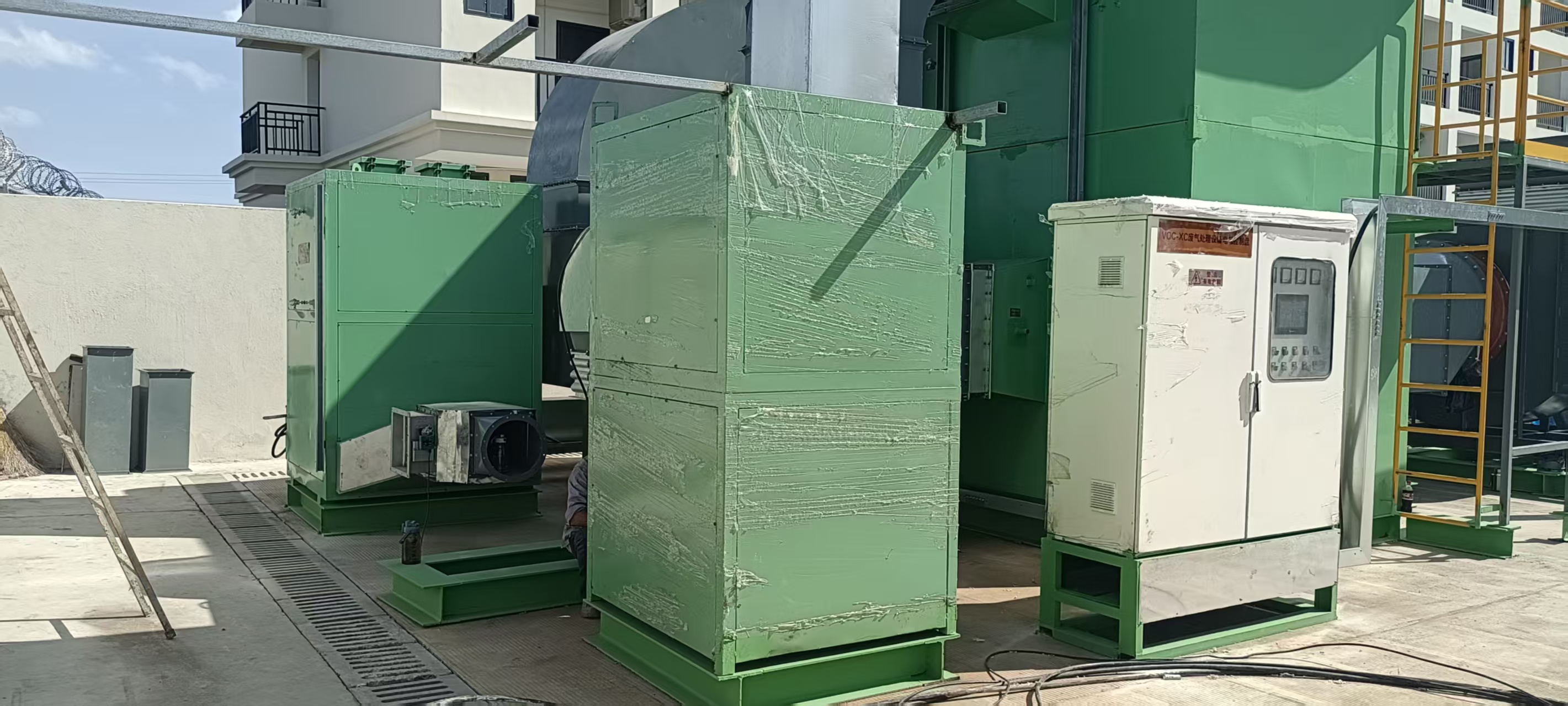
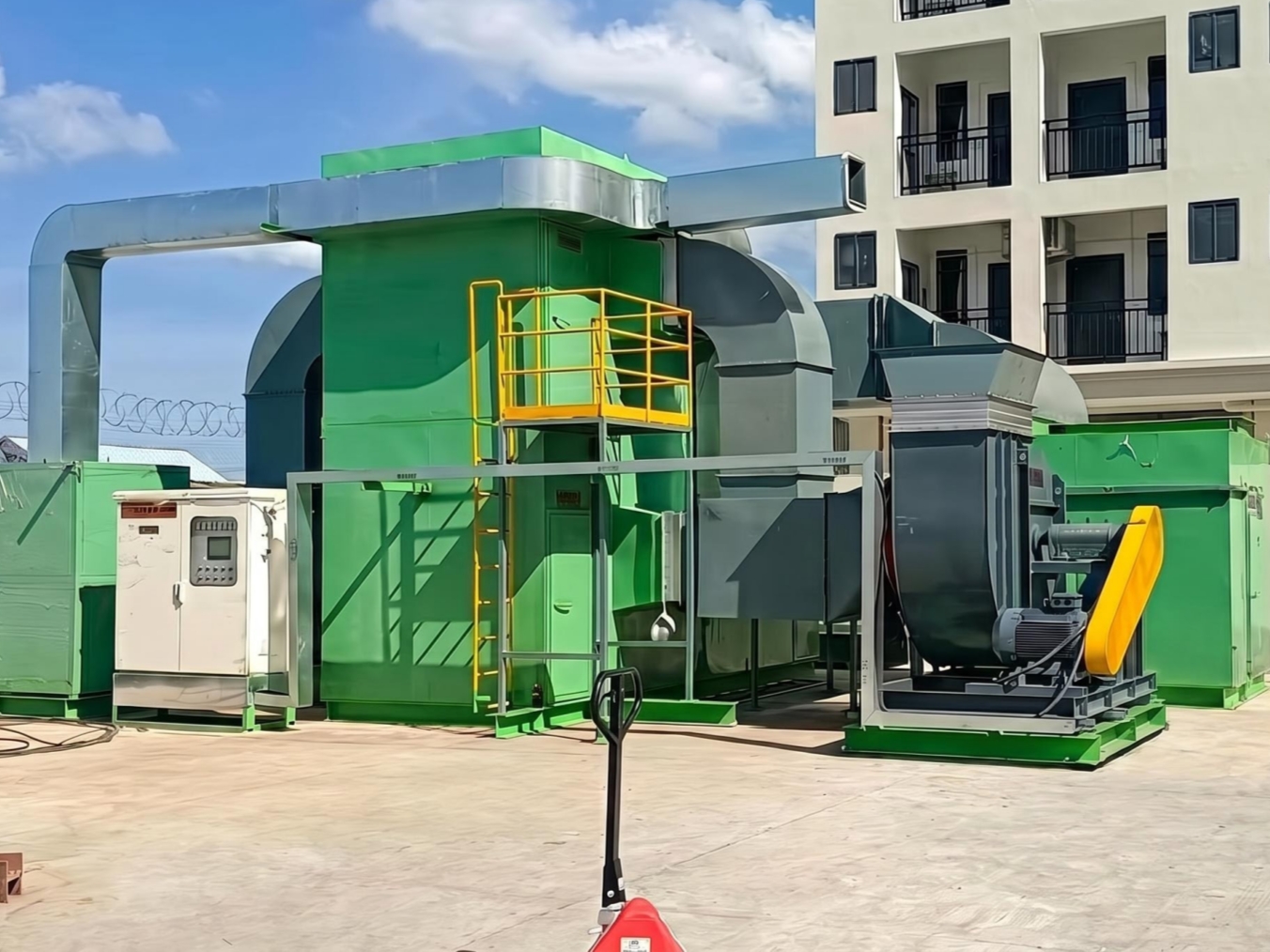
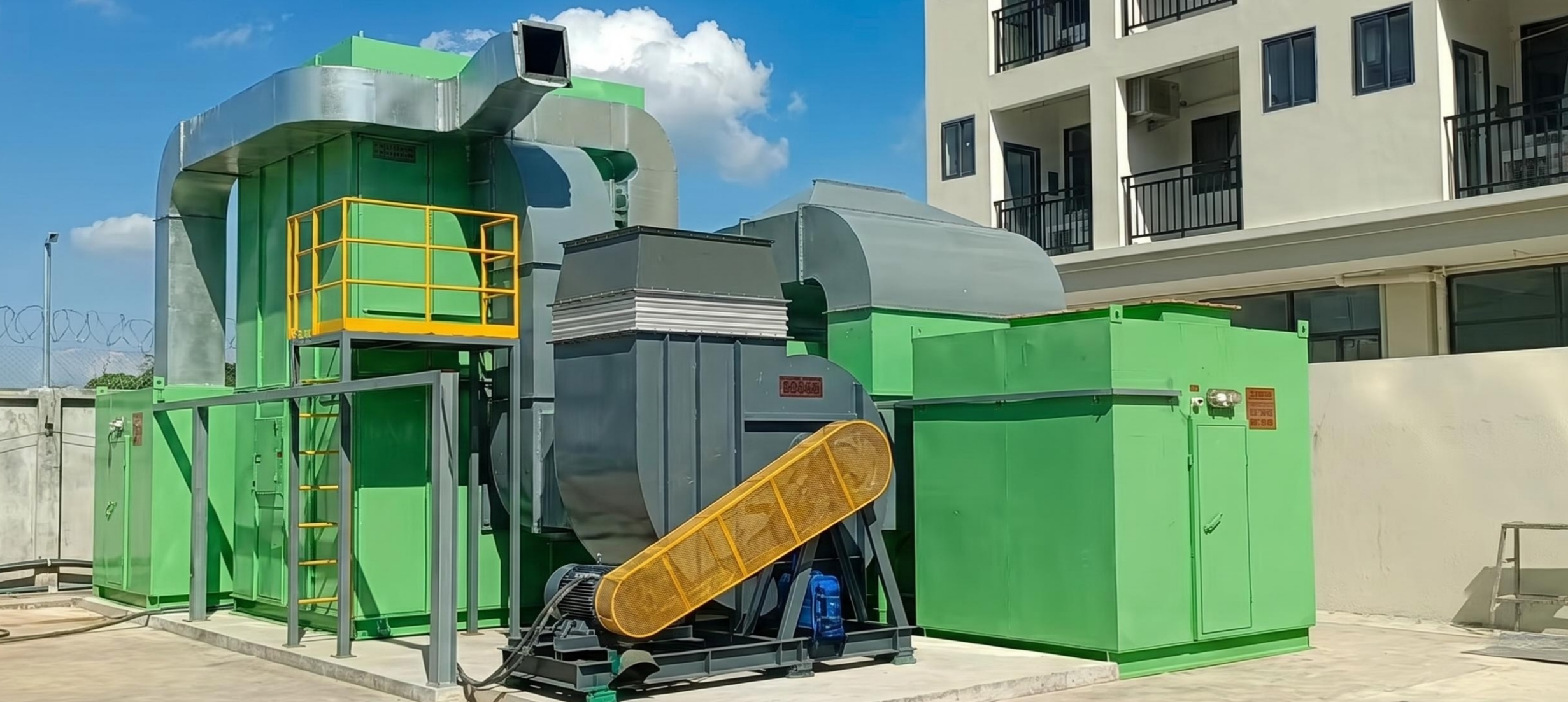
các Cambodia project covers a complete thiết bị lọc khí thải gói có kích thước phù hợp với lưu lượng khí thải 60.000 m3/h, được lắp đặt trên bệ bê tông ngoài trời liền kề với tòa nhà sản xuất. Việc lắp đặt bao gồm vỏ hấp phụ zeolit, mô-đun đốt xúc tác, ống dẫn mạ kẽm cách nhiệt định tuyến khí thải giữa các giai đoạn, quạt cảm ứng ly tâm với đai truyền động được bảo vệ và tủ điều khiển điện chuyên dụng chứa bộ điều khiển logic lập trình và khóa liên động an toàn.
| thành phần | chức năng |
|---|---|
| Vỏ hấp phụ Zeolit | Thu giữ hơi hữu cơ từ dòng khí thải thô |
| Mô-đun đốt xúc tác | Oxy hóa dòng giải hấp tập trung |
| Quạt cảm ứng ly tâm | Hút khí thải qua toàn bộ hệ thống ở lưu lượng gió định mức |
| Ống mạ kẽm cách nhiệt | Định tuyến khí thải giữa các giai đoạn hấp phụ và đốt cháy |
| Tủ điều khiển điện | Chứa PLC, giám sát nhiệt độ và khóa liên động an toàn |
| Thang truy cập và nền tảng bảo trì | Cung cấp quyền truy cập an toàn để kiểm tra và bảo trì định kỳ |
Mỗi nhà ở chính tại chỗ đều được hoàn thiện bằng lớp phủ màu xanh lá cây bền bỉ phù hợp với thông số kỹ thuật thiết bị tiêu chuẩn của Lvquan, được chọn để chống ăn mòn trong môi trường nhiệt đới ngoài trời, nơi độ ẩm và lượng mưa là những yếu tố quan trọng cần cân nhắc. Lan can màu vàng đánh dấu bệ bảo trì và khu vực tiếp cận quạt, tuân theo mã màu an toàn công nghiệp tiêu chuẩn để người vận hành có thể nhanh chóng xác định khu vực làm việc trên cao và thiết bị di chuyển trong quá trình kiểm tra định kỳ.
Cơ sở vật chất đánh giá một Hệ thống giảm thiểu VOC đối với các ứng dụng có luồng không khí lớn thường cân nhắc một số yếu tố cốt lõi: mức tiêu thụ năng lượng trên mỗi đơn vị khí thải được xử lý, dấu chân có sẵn tại chỗ và khả năng xử lý lịch trình sản xuất biến động mà không cần phải cấu hình lại thiết bị. Sự hấp phụ lớp cố định Zeolite cộng với quá trình đốt xúc tác thường được lựa chọn trong những tình huống này vì giai đoạn zeolite hấp thụ sự thay đổi ngắn hạn của nồng độ khí thải, giải phóng dòng tập trung, ổn định hơn đến giai đoạn đốt thay vì yêu cầu buồng đốt phản ứng ngay lập tức với mọi biến động trong khí thải thô.
Hiệu ứng đệm này đặc biệt hữu ích cho các hoạt động sản xuất nơi khối lượng sản xuất và do đó sản lượng khí thải thay đổi theo ca hoặc theo mùa. Thay vì định cỡ buồng đốt để có thể tích khí thải thô cao nhất, hệ thống có thể được định cỡ theo công suất tập trung của chu trình giải hấp, có xu hướng ổn định hơn theo thời gian. Danh sách dưới đây tóm tắt những cân nhắc chính thường ưu tiên cấu hình này cho một dự án có quy mô này.
Đặc biệt, đối với dự án Campuchia, lưu lượng nạp 60.000 m3/h đã đặt hệ thống lắp đặt này chắc chắn vào loại trong đó giai đoạn cô đặc tăng thêm giá trị thực tế, vì việc xử lý toàn bộ khối lượng đó trực tiếp trong buồng đốt sẽ yêu cầu đầu đốt và bình đốt lớn hơn đáng kể so với thiết kế dòng cô đặc được sử dụng ở đây.
Trước khi một hệ thống có quy mô này bắt đầu chạy thử lần đầu tiên, một trình tự chạy thử trước có cấu trúc thường được tuân thủ để xác nhận quá trình cài đặt đã sẵn sàng để vận hành liên tục. Tại cơ sở ở Campuchia, trình tự này bao gồm việc xác minh các mối nối ống dẫn và gioăng mặt bích xem có rò rỉ không khí hay không, xác nhận hệ thống dây điện của tủ điều khiển điện so với sơ đồ thiết kế, kiểm tra quạt cảm ứng trong điều kiện không tải để kiểm tra hướng quay và mức độ rung cũng như hiệu chỉnh cảm biến nhiệt độ được đặt trước và sau buồng đốt xúc tác.
| sân khấu | Mục đích |
|---|---|
| Kiểm tra đường ống và mặt bích | Xác nhận độ kín khít trên tất cả các khớp |
| Xác minh sơ đồ điện | Kết nối hệ thống dây điện tại chỗ với thiết kế đã được phê duyệt |
| Kiểm tra quạt không tải | Kiểm tra hướng quay, độ rung và nhiệt độ vòng bi |
| Hiệu chuẩn cảm biến nhiệt độ | Đảm bảo số đọc chính xác trước và sau buồng đốt |
| Kiểm tra chức năng khóa liên động an toàn | Xác nhận các trình kích hoạt tắt máy tự động phản hồi như được thiết kế |
Sau khi hoàn tất các bước kiểm tra này, hệ thống sẽ chuyển sang giai đoạn chạy thử có giám sát, trong đó luồng không khí, nhiệt độ và chu trình hấp phụ-giải hấp được theo dõi cùng nhau để xác nhận thiết bị hoạt động như thiết kế trong điều kiện khí thải thực tế của cơ sở trước khi bàn giao thiết bị để vận hành thường xuyên.
Việc lắp đặt ở Campuchia này phản ánh mô hình rộng hơn của các cơ sở sản xuất trên khắp Đông Nam Á đầu tư vào giải pháp xử lý không khí công nghiệp do hoạt động giám sát môi trường trong khu vực đã được tăng cường và các nhà sản xuất định hướng xuất khẩu ngày càng điều chỉnh hoạt động của họ phù hợp với thông lệ môi trường quốc tế. Các cơ sở sản xuất chất phủ, chất kết dính, vật liệu in và các sản phẩm tương tự tạo ra khí thải hơi hữu cơ là những ứng cử viên phổ biến cho loại hình này. thiết bị kỹ thuật xử lý khí thải , vì các quá trình này thường tạo ra dòng khí thải có nồng độ vừa phải, thể tích lớn rất phù hợp với nồng độ zeolit và cấu hình đốt xúc tác.
các chart below illustrates, in general terms, how project inquiries of this scale and type have trended over recent years across the broader Southeast Asia region, reflecting a steady increase in facilities seeking a Xử lý khí thải hữu cơ VOC nâng cấp như là một phần của việc xây dựng mới hoặc mở rộng cơ sở.
Như được hiển thị, mối quan tâm đến việc nâng cấp khả năng xử lý VOC luồng không khí lớn đã tăng lên đều đặn trong giai đoạn được trình bày, một xu hướng phù hợp với số lượng ngày càng tăng các cơ sở sản xuất tập trung vào xuất khẩu được xây dựng hoặc mở rộng trên toàn khu vực. Đối với các cơ sở cân thiết bị kiểm soát ô nhiễm không khí đầu tư, các dự án như thế này chứng tỏ cách một hệ thống tích hợp duy nhất có thể được thiết kế và lắp đặt để phù hợp với yêu cầu về luồng không khí cụ thể thay vì dựa vào cấu hình chung, có sẵn.
Công ty TNHH Công nghệ Kỹ thuật Bảo vệ Môi trường Lvquan tọa lạc tại thành phố Gaoyou, Dương Châu, "cửa ngõ phía bắc" của Giang Tô. Đây là một doanh nghiệp cổ phần được thành lập thông qua sự hợp tác của những nhân tài có kinh nghiệm phong phú trong thiết kế và sản xuất thiết bị VOC trong hơn 30 năm và các khái niệm tương tự. Đây là nhà sản xuất thiết bị kỹ thuật xử lý khí thải hữu cơ VOC chuyên nghiệp. Công ty có vốn đăng ký 22 triệu nhân dân tệ, tài sản cố định gần 40 triệu nhân dân tệ, tổng tài sản gần 60 triệu nhân dân tệ và diện tích xây dựng nhà xưởng là 9.800 mét vuông.
các company operates more than 200 sets of various types of machining equipment and employs 120 staff, supporting an annual production capacity of 100 million yuan. This manufacturing base allows Lvquan to design, fabricate, and install complete Xử lý khí thải VOC hệ thống nội bộ, từ mô-đun hấp phụ zeolit và đốt xúc tác cho đến ống dẫn hỗ trợ, quạt và hệ thống điều khiển điện được sử dụng trong các dự án như hệ thống lắp đặt ở Campuchia này.
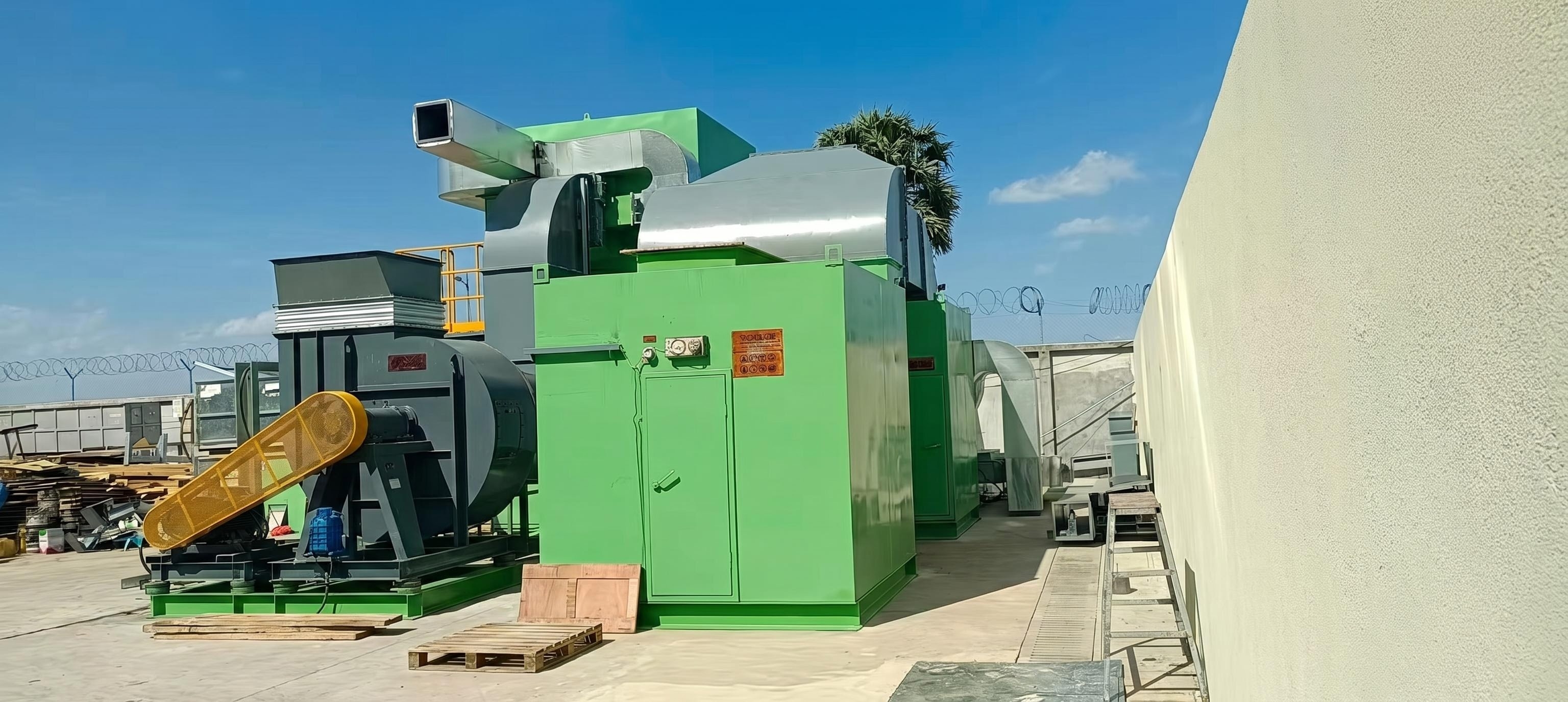
Cấu hình này được thiết kế để xử lý khí thải công nghiệp có chứa các hợp chất hữu cơ dễ bay hơi, tập trung các chất ô nhiễm thông qua hấp phụ zeolite trước khi oxy hóa chúng trong giai đoạn đốt xúc tác.
Việc kết hợp hai giai đoạn này cho phép tập trung một lượng lớn khí thải thô trước tiên, do đó buồng đốt có thể được điều chỉnh kích thước xung quanh dòng khí tập trung nhỏ hơn, ổn định hơn thay vì toàn bộ luồng khí thô.
Quá trình chạy thử trước thường bao gồm kiểm tra đường ống và mặt bích, xác minh sơ đồ điện, kiểm tra quạt không tải, hiệu chỉnh cảm biến nhiệt độ và kiểm tra chức năng khóa liên động an toàn trước khi bắt đầu chạy thử lần đầu.
Các cơ sở tạo ra một lượng lớn khí thải với nồng độ hơi hữu cơ vừa phải, chẳng hạn như các hoạt động phủ, kết dính hoặc in, là những ứng cử viên phổ biến cho hệ thống hấp phụ zeolite luồng không khí lớn cộng với hệ thống đốt xúc tác.
Tổng quan về RTO loại tháp Công ty chúng tôi cung cấp hai loại RTO quay, là RTO quay và RTO đa van không có thùng. RTO quay, còn đượ...
Xem chi tiết
Tổng quan Quá trình oxy hóa xúc tác lưu trữ nhiệt (oxy hóa xúc tác tái tạo/RCO) là một thiết bị xử lý khí thải hữu cơ kết hợp quá trình oxy...
Xem chi tiết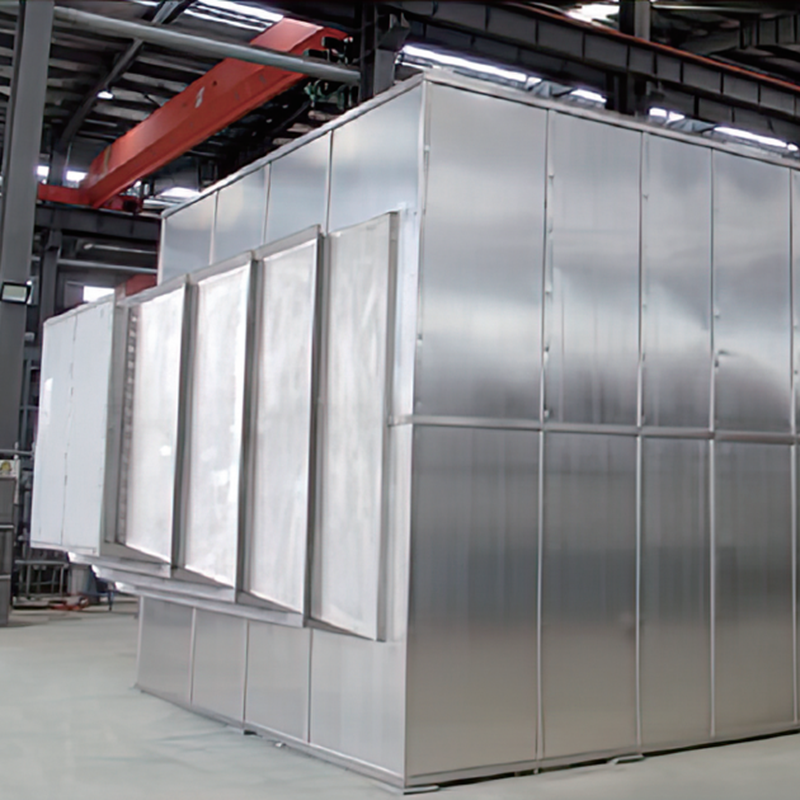
Giới thiệu sản phẩm Trao đổi nhiệt khí chủ yếu được sử dụng để tiết kiệm năng lượng và các ngành công nghiệp giảm phát thải trong quá trình...
Xem chi tiết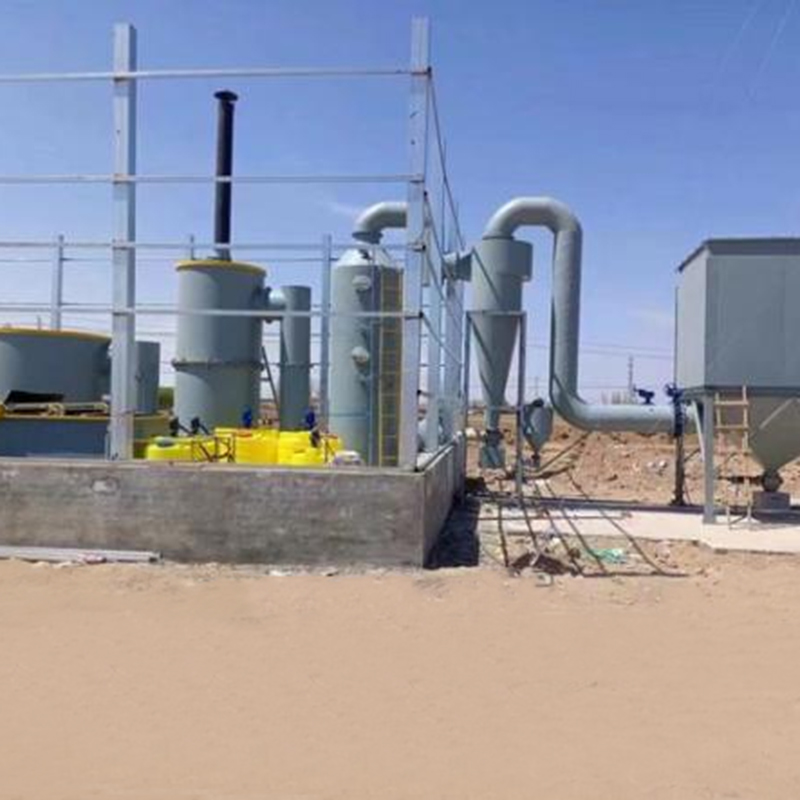
Tổng quan Lò đốt chất thải rắn là các thiết bị thiết yếu trong việc quản lý chất thải rắn, được thiết kế để biến chất thải thành tro và...
Xem chi tiết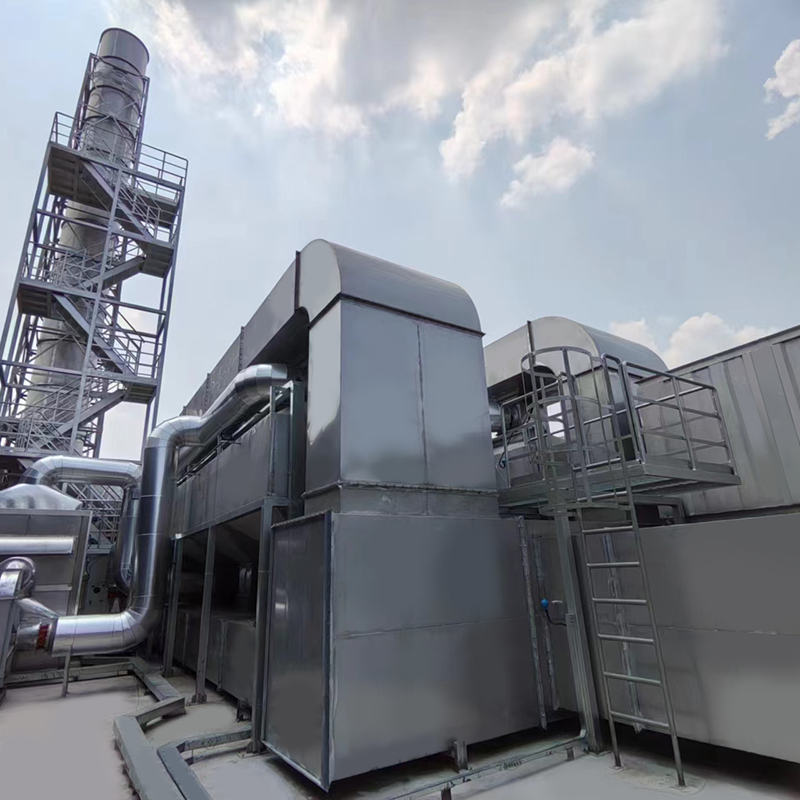
Tổng quan về thiết bị phục hồi dung môi hữu cơ sợi carbon hoạt hóa Hệ thống phục hồi dung môi hữu cơ bằng sợi carbon được kích hoạt (AC...
Xem chi tiết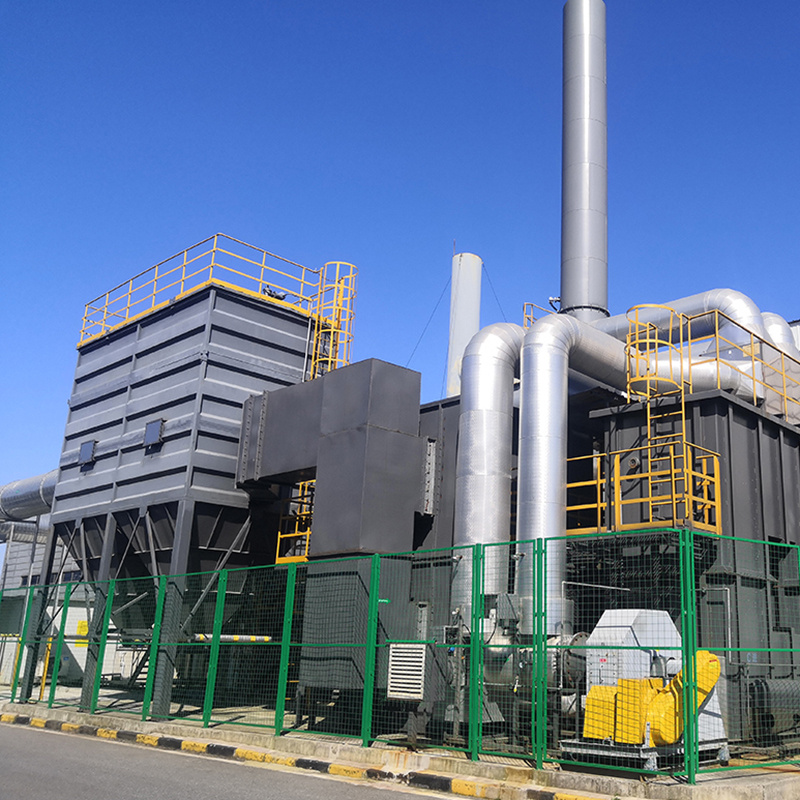
Khái niệm về hệ thống RTO của Zeolite Wheel Sử dụng bánh xe zeolite để hấp phụ khí thải hữu cơ, nồng độ thấp và khí thải thể tích không khí...
Xem chi tiết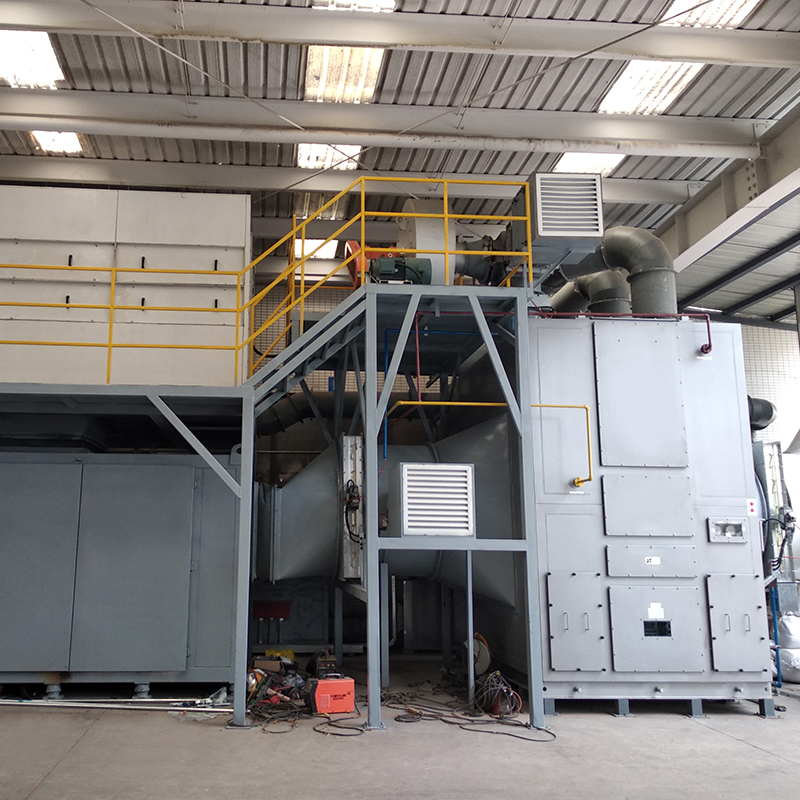
Khái niệm về bộ thiết bị hoàn chỉnh Mục đích của việc sử dụng sự hấp phụ zeolite trống quay cho khí thải hữu cơ là tập trung chất thải tập ...
Xem chi tiết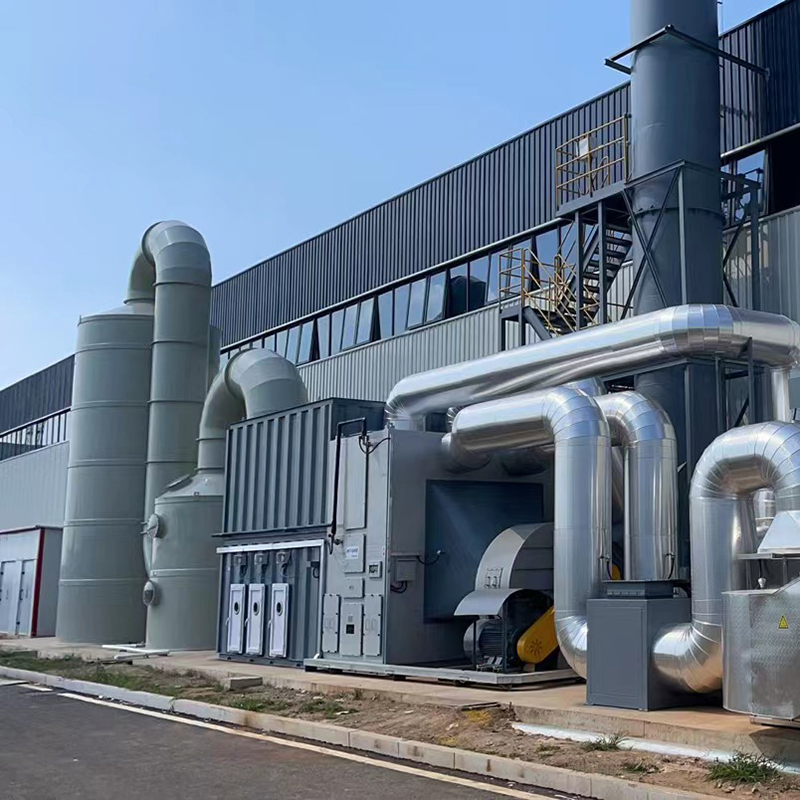
Khái niệm về quá trình đốt xúc tác zeolite cố định như một bộ thiết bị Thiết bị đốt xúc tác zeolite cố định phù hợp với nồng độ và điều trị...
Xem chi tiết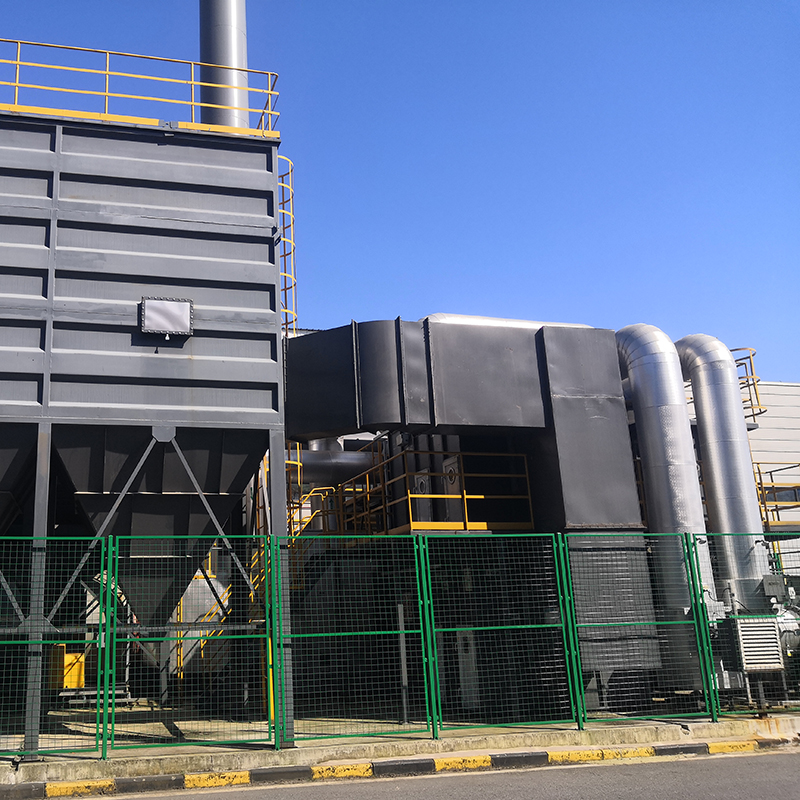
Khái niệm về thiết bị đốt nhiệt độ cao của Zeolite Wheel Bánh xe Mục đích của việc sử dụng sự hấp phụ zeolite trống quay cho khí thải hữu c...
Xem chi tiết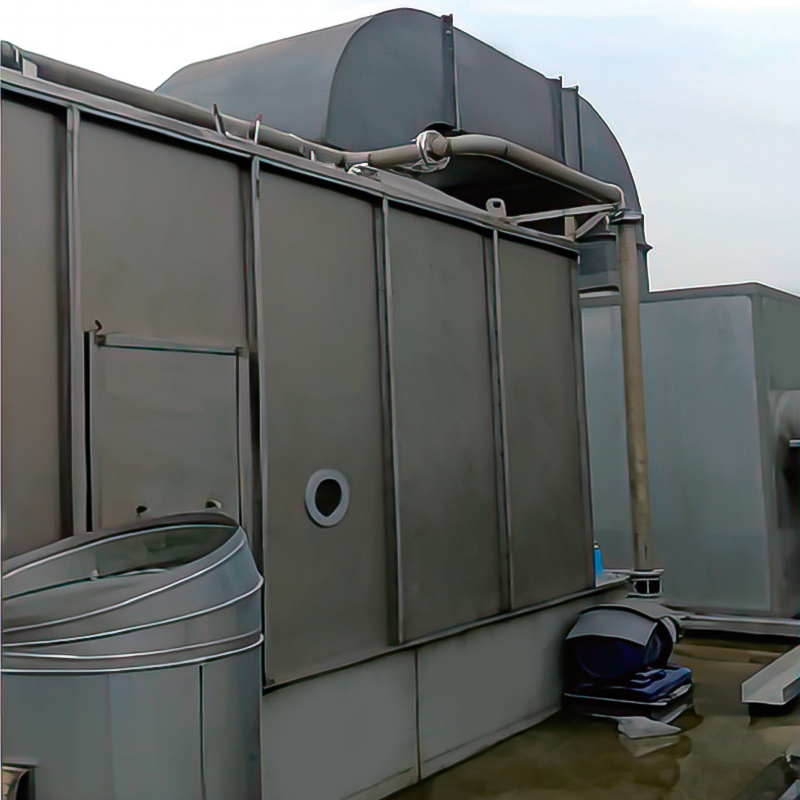
Tổng quan Nguyên tắc loại bỏ bụi ướt sử dụng quá trình bắt và tách các hạt bụi trong pha khí bằng cách tiếp xúc hoàn toàn với hai pha-lỏng....
Xem chi tiếtDi động


Copyright © Công ty TNHH Công nghệ Kỹ thuật Bảo vệ Môi trường LV Quan. All Rights Reserved. VOCS Nhà sản xuất thiết bị kỹ thuật xử lý khí thải hữu cơ

